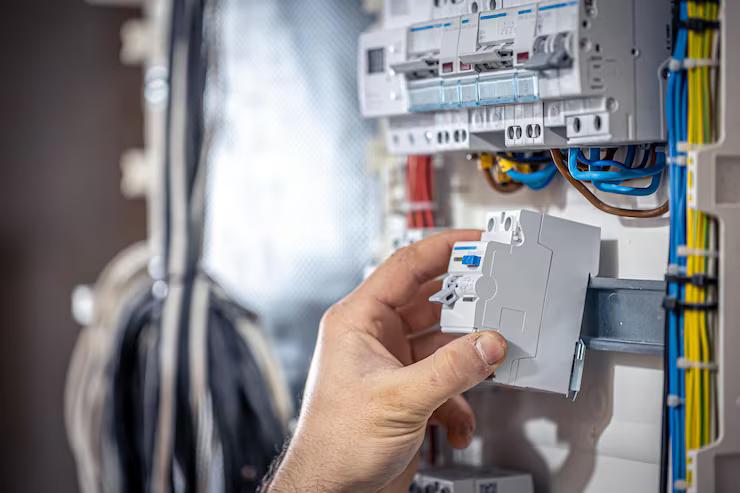
Mechanical, Electrical, and Plumbing (MEP) systems have always been the backbone of any building’s functionality.
The Future of MEP in Smart Buildings
Introduction
Mechanical, Electrical, and Plumbing (MEP) systems have always been the backbone of any building’s functionality. Traditionally designed to provide basic comfort and operational efficiency, MEP systems are now undergoing a transformative evolution. With the rise of smart buildings, these systems are becoming intelligent, interconnected, and data-driven, playing a critical role in enhancing sustainability, efficiency, and user experience.
The Shift Toward Smart MEP Systems
Smart buildings rely on advanced technologies such as IoT (Internet of Things), AI (Artificial Intelligence), and automation. MEP systems are no longer standalone components; they are integrated into centralized building management systems (BMS) that allow real-time monitoring and control.
Key Changes:
- From Reactive to Predictive Maintenance
Traditional MEP systems required manual inspection and reactive fixes. Smart MEP systems use sensors and data analytics to predict failures before they occur, reducing downtime and maintenance costs. - Integration with IoT Devices
Sensors embedded in HVAC systems, lighting, and plumbing networks collect real-time data such as temperature, occupancy, humidity, and energy consumption.
Energy Efficiency and Sustainability
One of the most significant impacts of smart MEP systems is in energy optimization. Buildings account for a large portion of global energy consumption, and intelligent MEP solutions are key to reducing this footprint.
Innovations Driving Efficiency:
- Smart HVAC Systems
Automatically adjust based on occupancy and weather conditions, significantly reducing energy waste. - Intelligent Lighting Systems
Use motion sensors and daylight harvesting to optimize lighting usage. - Water Management Systems
Monitor consumption, detect leaks, and promote water conservation.
Benefits:
- Reduced operational costs
- Lower carbon emissions
- Compliance with green building standards
Role of Artificial Intelligence and Data Analytics
AI is revolutionizing how MEP systems operate. By analyzing historical and real-time data, AI can optimize system performance continuously.
Applications:
- Demand Forecasting
Predicts energy and water demand based on usage patterns. - System Optimization
Automatically adjusts system settings for maximum efficiency. - Fault Detection
Identifies anomalies and alerts maintenance teams instantly.
Digital Twins and Simulation
Digital twin technology is becoming a game-changer in smart buildings. A digital twin is a virtual replica of a building’s physical systems, including MEP.
Advantages:
- Real-time performance monitoring
- Simulation of different scenarios
- Improved design and planning
- Faster troubleshooting
Integration with Renewable Energy
Future-ready MEP systems are increasingly being designed to integrate with renewable energy sources such as solar and wind.
Examples:
- Solar-powered HVAC systems
- Energy storage integration
- Smart grid connectivity
This integration ensures buildings are not just energy-efficient but also energy-independent.
Enhanced Occupant Experience
Smart MEP systems contribute significantly to occupant comfort and productivity.
Features:
- Personalized temperature and lighting settings
- Improved indoor air quality monitoring
- Seamless automation through mobile apps
These features create a more responsive and comfortable indoor environment.
Challenges in Implementation
Despite the benefits, adopting smart MEP systems comes with challenges:
- High Initial Costs
Advanced systems and technologies require significant upfront investment. - Complex Integration
Integrating multiple systems and technologies can be technically challenging. - Cybersecurity Risks
Increased connectivity exposes systems to potential cyber threats.
The Road Ahead
The future of MEP in smart buildings lies in deeper integration, smarter automation, and increased sustainability. As technologies evolve, we can expect:
- Fully autonomous building systems
- Greater use of machine learning
- Enhanced interoperability between systems
- Wider adoption of net-zero energy buildings
Conclusion
MEP systems are no longer just functional components; they are the intelligence layer of modern smart buildings. By leveraging advanced technologies, these systems are transforming buildings into efficient, sustainable, and user-centric environments. As the demand for smart infrastructure grows, the evolution of MEP will continue to play a pivotal role in shaping the future of the built environment.